Last updated: 20 November 2026
Gastric bypass is among the stomach reduction surgery procedures we offer in Riga; when performed laparoscopically, it usually leaves several small abdominal scars rather than one long scar. Their position and appearance vary, and a wound may close well before its scar has finished changing.
What Do Gastric Bypass Surgery Scars Usually Look Like?
Laparoscopic gastric bypass usually leaves several small abdominal incision scars, but there is no fixed pattern for every patient. The surgeon’s approach determines where instruments enter the abdomen, while individual healing affects the final appearance. Visible marks on the skin are also different from scar tissue that can form inside the abdomen.
Where are the incisions, and how many scars might there be?
For laparoscopic bypass, small cuts are usually made in the upper and central abdomen, often around or above the belly button, for the camera and instruments. Their number and exact positions depend on the surgeon’s approach; an open operation uses a larger cut instead. MedlinePlus guidance on gastric bypass explains that laparoscopy generally produces smaller scars than open surgery. Ask your surgeon about the planned approach and the possibility that it may need to change during the operation. Our guide to laparoscopic gastric bypass abroad explains the keyhole approach in more detail.
Will gastric bypass scars fade over time?
Even after the skin has closed, scars can keep changing in colour and texture for many months, sometimes a year or longer. They often become less noticeable, but a faint mark may remain. The four-to-six-week period that Royal Berkshire Hospital’s gastric bypass guidance gives for overall recovery is not a timetable for a scar’s final appearance. Internal scar tissue is a separate issue: MedlinePlus notes that scarring inside the abdomen can sometimes contribute to a bowel blockage, even when the visible incisions have healed.
How Should Bypass Wounds Be Cared for During the First Six Weeks?
Early bariatric wound care depends on how the incisions were closed and dressed, so your surgical team’s written instructions take priority. Royal Berkshire Hospital says patients can usually leave hospital one to two days after gastric bypass, while full recovery can take four to six weeks. These are general estimates, not a discharge date for your surgery in Riga or an indication that a particular wound has healed.
For eating after bypass, MedlinePlus’s diet-after-bypass guidance describes liquids or purées for two to three weeks, followed gradually by soft and then regular foods. MedlinePlus’s life-after-weight-loss-surgery guidance says regular foods are likely by about six weeks. Follow your own bariatric diet plan; food progression does not determine when an incision is ready to soak.
When can you remove dressings and shower?
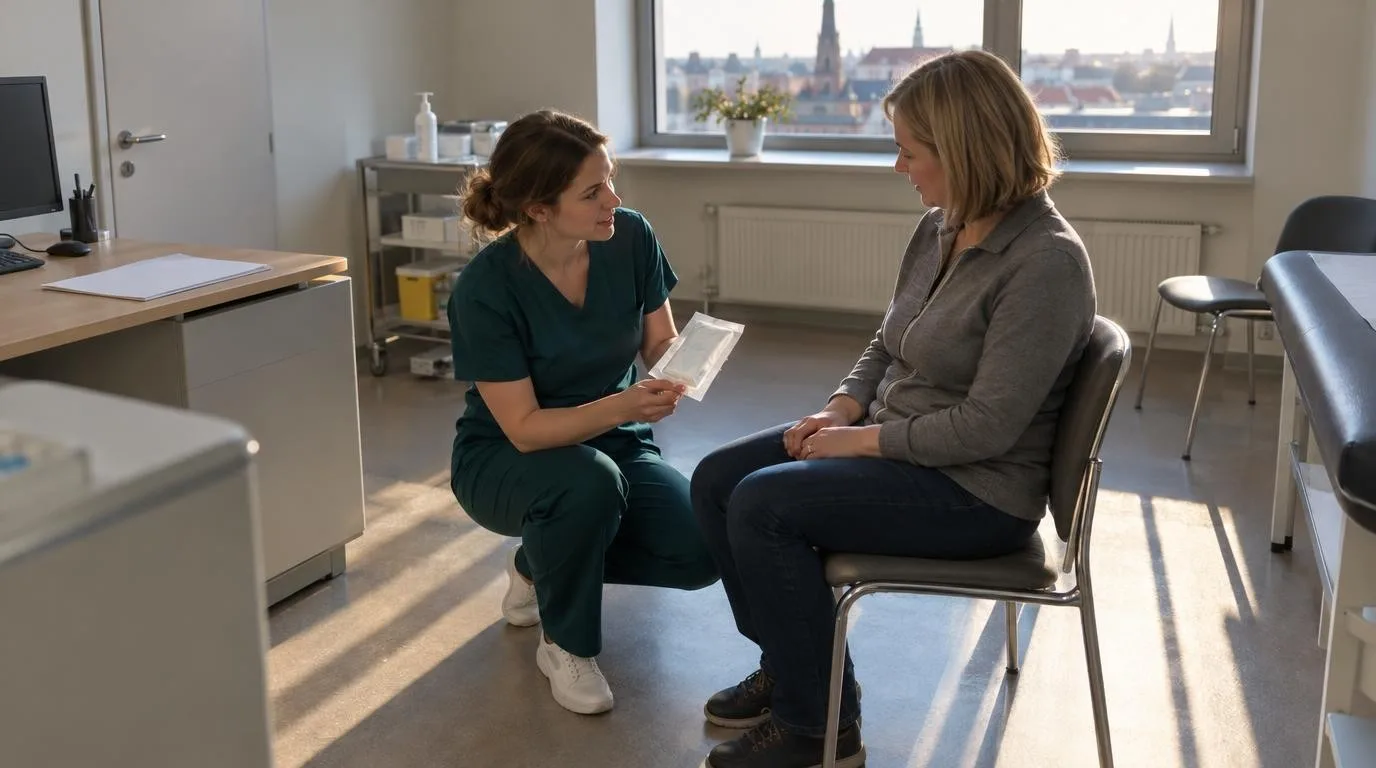
There is no universal day to remove a bypass dressing or start showering: both depend on how your incisions were closed and what dressing you have. Before discharge, ask our team for written instructions stating when and how to remove or change your dressing, when you may shower, and how to keep the wound protected. North Bristol NHS Trust’s bariatric recovery guidance is one example: it allows showering early with the wound closure or waterproof dressing described in its protocol, and calls for a dressing change if it oozes or loses its waterproof seal. That is not a Weight Loss Riga timetable; follow your own discharge instructions if your dressing becomes wet or loose.
When can you have a bath or go swimming?
North Bristol NHS Trust advises waiting until wounds are fully healed before taking a bath. Wait until your incisions have fully healed before swimming, too, and check your own team’s instructions before immersing them. Being able to shower does not mean a wound is ready to soak.
Which Wound Changes Need a Nurse or Doctor to Check Them?
What can be part of normal early wound healing?
Some discomfort around an incision is expected after surgery, and mild bruising may appear nearby. The useful distinction is whether symptoms are settling or becoming more pronounced. A wound’s appearance alone cannot confirm or exclude infection, so describe any change in pain, discharge and how you feel overall when you seek advice.
Which symptoms need urgent medical attention?
Contact your surgical team or GP promptly if redness spreads, the wound becomes hotter or more painful, pus or persistent discharge develops, an incision opens, or you develop a fever. For severe abdominal pain, breathlessness, fainting or sudden serious illness, seek urgent care or attend A&E rather than waiting for a routine wound check. These symptoms may relate to a complication beyond the skin incision.
Do Gastric Bypass and Gastric Sleeve Surgery Leave Different Scars?
Both bypass and sleeve surgery are generally performed laparoscopically and can leave several small abdominal scars. Neither procedure guarantees a less visible result: incision positions and sizes depend on the operation and surgeon. The main differences are summarised below.
| Feature | Gastric bypass | Gastric sleeve |
|---|---|---|
| Scars after laparoscopic surgery | Several small abdominal scars | Several small abdominal scars |
| Stomach | A small pouch is created; the bypassed part remains in the body | A large portion is removed to leave a narrow sleeve |
| Small intestine | Food is rerouted past its first part | Food is not rerouted |
How do bypass and sleeve differ, and what are the alternatives?
Gastric bypass is carried out under general anaesthesia, so you are asleep during the operation. The surgeon creates a pouch from the upper stomach and joins it to the small intestine, rerouting food past its first part. The bypassed part of the stomach remains in place, but food no longer enters it. MedlinePlus gives an operating time of about two to four hours for gastric bypass; your operation may take a different amount of time.
Sleeve gastrectomy removes a large part of the stomach, leaving a narrow tube without rerouting the intestine. At Weight Loss Riga, we list sleeve, gastric bypass and mini gastric bypass among our surgical options. Depending on your assessment, continued non-surgical care, including dietary changes, physical activity and medicines where appropriate, may be preferable to an operation.
The NHS explanation of weight-loss operations says sleeve surgery begins with about five small abdominal cuts. That describes a common approach, not a guaranteed scar count for an individual. Readers comparing the operations can explore how sleeve and bypass differ and our guide to gastric sleeve scar locations and healing.
How painful is gastric sleeve surgery?
Early incision discomfort varies. Royal Berkshire Hospital’s sleeve guidance says bruising, pain and swelling around healing wounds may last for a few days, while full recovery usually takes four to six weeks. Pain that increases instead of easing deserves a check; the size of a visible scar does not reliably show how a patient feels inside.
What Risks or Health Factors Could Change Your Surgical Plan?
Wound infection or separation, bleeding, blood clots and internal leaks are complications rather than normal scar formation. Bypass can also affect long-term nutrition. The appropriate operation depends on individual assessment of existing conditions, medicines, nutritional status and whether a patient can follow the required diet, supplements and follow-up plan.
Who may be considered for surgery, and what needs review?
Weight-loss surgery may be considered for people with obesity, particularly a higher BMI or obesity-related conditions such as type 2 diabetes, who have not lost enough weight through diet, exercise and, where appropriate, medicines. MedlinePlus describes a BMI of 35 or above as one example used in assessing suitability and notes that a lower threshold may be relevant for Asian patients. A BMI alone does not establish eligibility: we review your health, previous treatment and ability to follow the post-operative plan before recommending an option.
Before choosing bypass or sleeve, tell our team about your health conditions, including acid reflux, your medicines, nutritional concerns and whether you smoke. British Obesity and Metabolic Surgery Society guidance says smoking significantly increases bypass risks and that bypass requires dietary adherence, lifelong vitamin and mineral supplements, and follow-up. Ask your surgical team whether you need to stop smoking and whether it affects the timing of surgery; requirements depend on your assessment. Sleeve surgery can cause or worsen reflux: Royal Berkshire Hospital says one in five people experience reflux after sleeve gastrectomy. Existing reflux therefore needs assessment when choosing between operations; neither should be assumed to resolve it.
Could a complication affect wound healing or recovery?
Yes. A skin wound can become infected or separate, while bleeding, a clot or a leak can interrupt recovery without necessarily starting as a visible scar change. Royal Berkshire Hospital estimates that a leak at a stomach or intestinal join occurs in about 1–2% of bypass patients; this does not predict your individual risk. Royal Berkshire Hospital also estimates that an ulcer at the pouch-to-bowel join occurs in about 2% of patients. That ulcer is inside the digestive tract, not an external incision scar, and may be diagnosed by endoscopy and treated with long-term anti-ulcer medication.
Royal Berkshire Hospital explains that a small leak may be treated by placing a drain under X-ray guidance, while a larger leak may require emergency surgery to wash out the area and place drains. Prompt assessment matters more than trying to identify a complication from an incision photograph. Our guide to bypass risks and recovery abroad offers further context.
Can You Regain Weight After Gastric Bypass Surgery?
Yes, weight regain after gastric bypass is possible, even though the operation can support substantial long-term weight loss. Small external scars do not make the changes to the digestive system minor or remove the need for follow-up.
The British Obesity and Metabolic Surgery Society gives average loss after gastric bypass as 20–30% of total body weight, without specifying a timeframe for that figure. Royal Berkshire Hospital estimates loss of roughly 65–75% of excess weight over two years; excess weight is the weight above a reference weight, not your entire starting weight. These figures use different measures and cannot predict your personal result.
MedlinePlus advises that healthy eating, portion control and exercise remain part of life after bypass; without those changes, a patient may regain weight. We use personalised consultations and ongoing support to help patients plan for the longer term, rather than promising a fixed result or permanent protection against regain.
How Can You Plan Wound Checks After Surgery in Riga?
Before leaving Riga, Latvia, agree your individual discharge and travel plan with the treating team; the usual hospital-stay estimate does not establish when you are fit to travel. Arrange wound-care instructions and a route to clinical review. Confirm how your incisions are dressed, who to contact if they change, and who can examine a wound after you return home. A planned follow-up route is more useful than relying on a photograph or a general recovery timetable.
What should you confirm before travelling home?
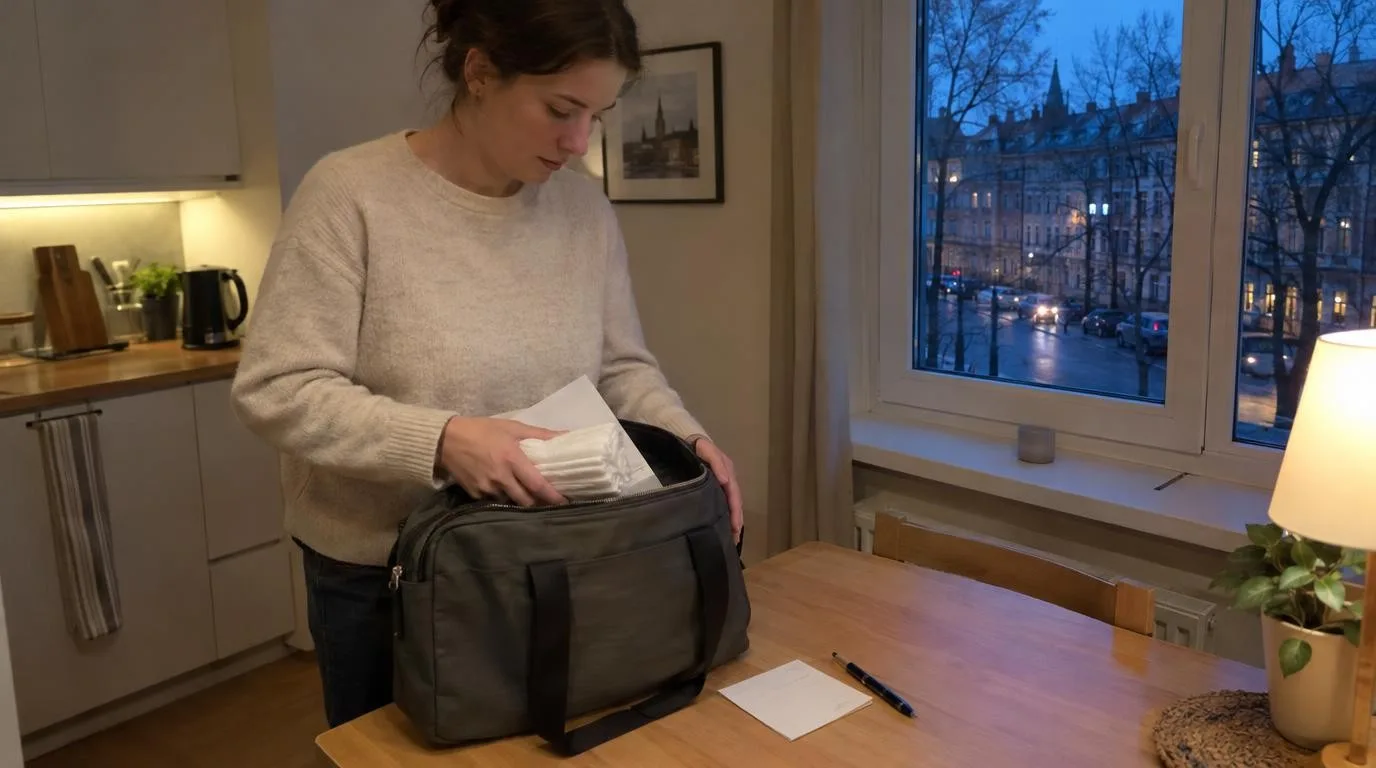
- Confirm the procedure you had and obtain your personal discharge and wound-care instructions.
- Check whether you need spare dressings and when, if ever, you should change them.
- Save the Riga team’s contact details and confirm how to report a concern.
- Identify who can assess a wound locally and when your post-operative reviews will take place.
When can you walk or drive during recovery?
South Tees Hospitals NHS Foundation Trust says patients should be up and about soon after laparoscopic bypass. Begin walking when your clinical team says it is safe, starting with short walks and building up gradually, as North Bristol NHS Trust advises. Drive only when you can wear a seat belt comfortably, make an emergency stop without pain and are not taking medicines that impair alertness; there is no fixed day when driving becomes safe for everyone.
Frequently Asked Questions
How hard is life after gastric sleeve surgery?
In the first weeks after a sleeve, you are recovering from surgery and gradually moving from liquids or purées to soft, then regular, foods under your bariatric team’s plan. Once that initial recovery has passed, smaller meals, thorough chewing and regular physical activity remain part of daily life. Food tolerance and the time it takes to adapt vary between people.
How much can you eat two years after gastric bypass?
There is no single portion size that applies to everyone two years after gastric bypass. MedlinePlus notes that even when the stomach pouch becomes larger, it may not hold more than about one cup of chewed food. Eat slowly, stop when full and follow your dietitian’s guidance.
How long after gastric bypass can internal scar tissue cause a bowel blockage?
A bowel blockage can occur early after bypass or months to years later. Internal scar tissue is one possible cause, as is a kink in the bowel. Royal Berkshire Hospital estimates that bowel obstruction occurs in 2% to 4% of patients. Seek urgent assessment for severe abdominal pain, particularly with vomiting.
Can scar tissue narrow the new stomach opening after gastric bypass?
Yes. Scar tissue can narrow the join between the new stomach pouch and the bowel, making eating or drinking difficult. Royal Berkshire Hospital estimates this stricture occurs in about 2% of patients and says it may be treated by stretching the narrowed area with a balloon during an endoscopy. Seek a prompt assessment if eating or drinking becomes difficult or you vomit repeatedly.
Can a hernia develop at a gastric bypass incision?
Yes. A hernia can develop at a laparoscopic port site, even after the skin incision has healed. South Tees Hospitals NHS Foundation Trust includes port-site hernias among possible long-term bypass complications. Ask a clinician to assess a new bulge near a scar; seek urgent care if it becomes very painful or you start vomiting.
Does eating enough protein help gastric bypass wounds heal?
Yes. Your body needs protein to build and repair tissue, including tissue healing after gastric bypass. MedlinePlus emphasises protein intake during recovery, when eating enough can be difficult. Follow your bariatric diet plan and ask your dietitian for help if you struggle to meet your nutritional needs.
Does every gastric bypass incision need a dressing?
No. In a Bluebelle survey of abdominal surgery, 63 of 1,769 wounds (3.6%) were left without a dressing; 68.0% had basic dressings and 27.4% had tissue adhesive. These figures are not specific to gastric bypass. The Bluebelle pilot study compared simple dressings, tissue adhesive and no dressing but did not establish which best prevents infection. Follow your discharge instructions rather than removing or replacing a dressing on your own.
When Is the Right Time to Ask for a Wound Check?
A wound that stops improving or remains open should be assessed rather than left until a scheduled review. If symptoms become sudden or severe, seek emergency care rather than waiting for a response to an incision photograph.
If you are considering bypass or sleeve surgery, contact Weight Loss Riga in Riga, Latvia, for a consultation about suitability and a clear aftercare plan. Dr. Igors Troickis, MD, our leading bariatric surgeon and chief physician, and Dr. Maksims Mukans, MD, leading bariatric surgeon, can discuss the surgical options with you.
This information is general and is not medical advice. Talk to a licensed clinician about your own situation before making a treatment decision.
About the doctors at Weight Loss Riga
Dr. Igors Troickis, MD – Leading bariatric surgeon and chief physician at the clinic.
Dr. Maksims Mukans, MD – Leading bariatric surgeon.